
AI in a laptop is not one product but three layers: software that works with patterns, a processor block built to run it, and — on these machines — Copilot, the Microsoft layer on top. This page explains each one, and which LIBY devices carry the silicon.
What AI in a laptop actually means
Four ideas carry the whole subject. None of them is marketing: each one is a property you can check on a spec sheet, or by switching the connection off.
AI here means software that works with patterns
What ships as “AI” on a laptop are models: software trained on examples rather than programmed rule by rule. That is what lets a machine recognise speech, describe an image or draft text from a prompt.
The NPU is the engine built for that work
A neural processing unit is a processor block designed for the arithmetic those models repeat millions of times, and it does that work at a fraction of the power the CPU would draw. Its capacity is quoted in TOPS — trillions of operations per second — which is the figure on the spec sheets: 40 or 50 TOPS on the processors below.
Local means the work happens on the device
A cloud AI service sends what you type or say to a server and waits for the answer. On-device AI runs the model on the machine itself: it behaves the same with a fast connection as with none at all, and what it processes is never uploaded.
The rest of the machine stays free
With a dedicated NPU, the processor and the graphics are not competing with the AI workload. The machine stays responsive for the task the person is actually doing, and the AI runs beside it, not instead of it.
The processors that reach it
Three families clear the 40 TOPS threshold today. LIBY builds on two of them, and the figures below are the ones published for the specific parts we ship.
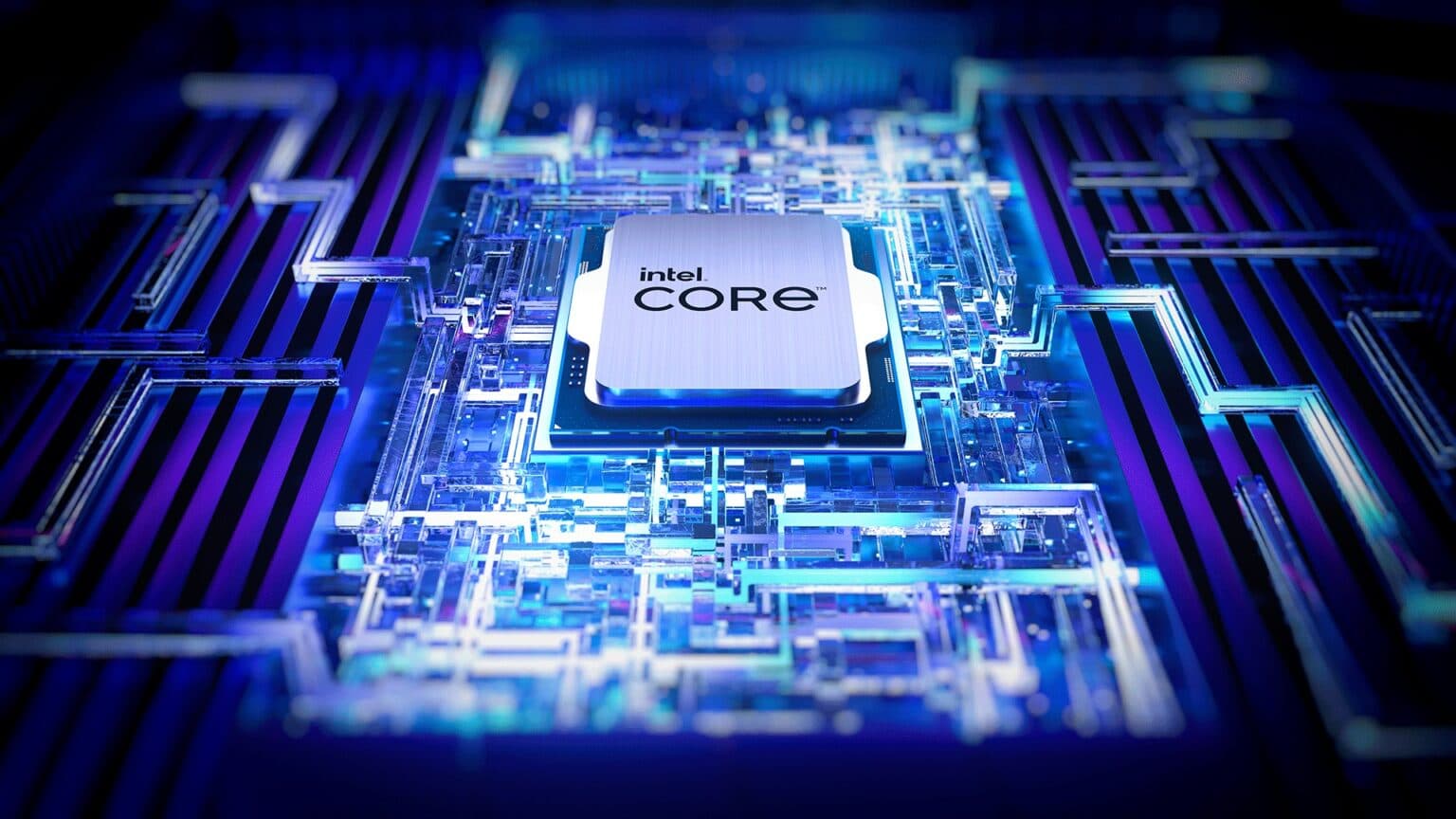
Intel® Core™ Ultra 200V series
The Lunar Lake architecture puts CPU, graphics and neural processing unit on one die, in a processor built on a 3-nanometre process. AI work is scheduled on the NPU, so the other two stay available.

- Neural processing unit
- NPU, 40 TOPS
- Graphics
- Integrated, 53 TOPS of AI throughput
- Platform total
- 97 TOPS
- Manufacturing process
- 3 nm
- In LIBY devices
- Core™ Ultra 5 236V · Core™ Ultra 5 226V
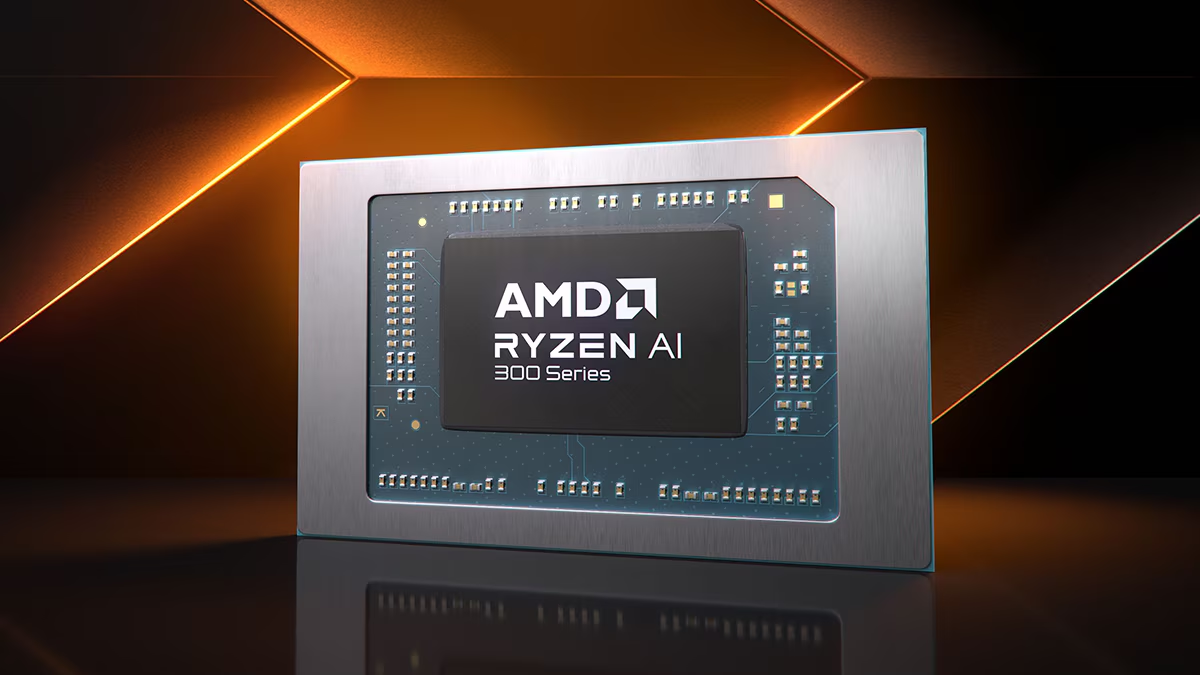
AMD Ryzen™ AI
The Ryzen AI parts pair a 50 TOPS neural processing unit with integrated Radeon™ graphics. On the Max+ tier the memory is unified, so a large share of it can be assigned to graphics for models that will not fit otherwise.
- Neural processing unit
- NPU, 50 TOPS
- Graphics
- Integrated AMD Radeon™
- Unified memory
- Up to 128 GB LPDDR5x, up to 96 GB assignable to graphics
- In LIBY devices
- Ryzen™ AI 9 HX 370 · Ryzen™ AI Max+ 395
Copilot+ PC
The AI that runs offline
Copilot+ PC is the Microsoft programme for computers that carry a neural processing unit fast enough to run AI features on the device instead of sending the work to a server. It is a hardware threshold, not a subscription.

It works with no connection
Inference happens on the device. The AI features behave the same on a fast network as with none at all — which is what a school with no connectivity actually needs.
What it processes, never leaves
Nothing is uploaded to be analysed. For a public-sector or banking deployment, that is the difference between a feature that passes review and one that does not.
It costs a fraction of the battery
The NPU handles those workloads at a fraction of the power the CPU would draw for the same task, so autonomy holds up through the working day.
The processor stays free
CPU and graphics are not competing with the AI workload, so the machine stays responsive for the task the person is actually doing.
LIBY devices with a neural processing unit
Two lists, and the difference between them matters: certification is a Microsoft programme, a dedicated NPU is a feature of the processor. A device can have the second without the first.
Certified Copilot+ PC
Ships with the certification stated on its datasheet.
With a dedicated neural processing unit
Carry an NPU and run supported Windows 11 Pro AI features on the device. Their datasheets state the neural processing unit, not the Copilot+ PC certification.